
Examining current shifts in the NYC real estate scene reveals a persistent housing shortage, driving prices sky-high. Permits for new builds lag behind other global giants. People seeking affordable options face uphill battles, with poor folks hit hardest. Chicago and Los Angeles show stark contrasts in affordability. Neighborhoods like Manhattan remain hotbeds of demand, impacting home values. Emerging areas like Queens provide glimmers of hope. For those curious about rental dynamics, this report offers insights into rent control policies shaping the market.
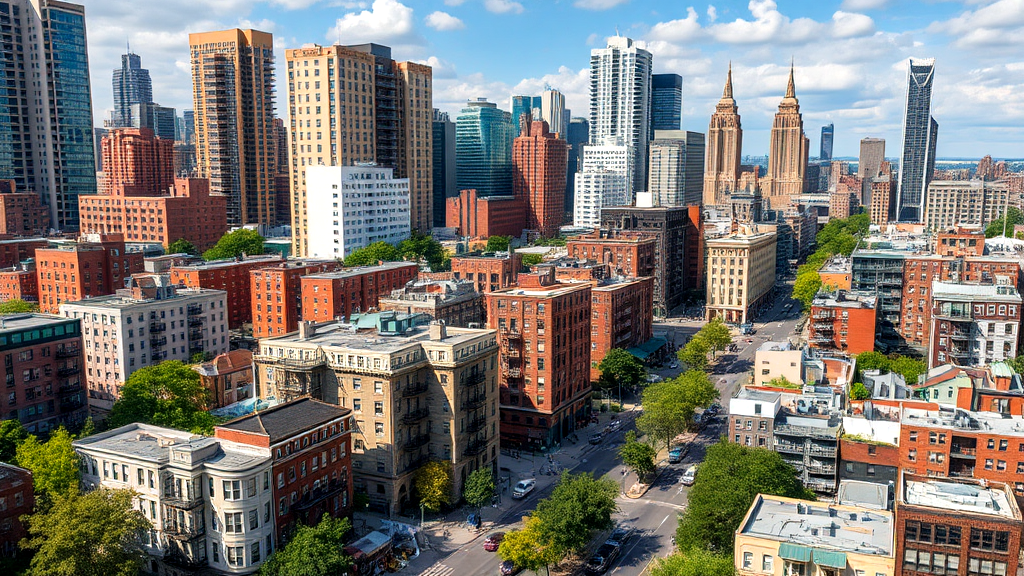
Impact of Location on Property Valuations
The location’s impact on property values in the NYC real estate market is immense. Areas rich in amenities, job prospects, and efficient transit systems attract people, raising demand and prices. Manhattan and certain Brooklyn neighborhoods are wildly popular, driving costs skyward. Comparatively, Chicago offers more affordable options with its less intense demand. Emerging neighborhoods in Queens and the Bronx present opportunities for hopeful buyers. For those curious about the broader U.S. market dynamics, I discuss more in my 2024 trends article.
Factors Driving Demand for Luxury Apartments in NYC
Driving demand for luxury apartments in NYC, the city’s appeal as a financial powerhouse attracts global affluence. High-paying jobs in finance and tech lure folks seeking upscale digs. This keeps luxury real estate buzzing with activity. Yet, it’s not just the money. The vibrant social and cultural scenes in neighborhoods like Manhattan add sparkle, drawing people in. Compared to Chicago, New York City offers a unique blend of lifestyle and opportunities. It’s a mix that has a lot going for it.

Impact of Zoning and Regulations
Zoning rules and their limitations significantly shape the NYC real estate scene. These laws, largely unchanged since 1961, hinder new development by imposing height and density restrictions. With limited space to build housing, New York City’s housing shortage worsens, driving prices sky-high. Compared to places like Chicago, New York’s regulations create a unique set of challenges. I dive deeper into the implications of these rules here.
|
Zoning Regulations |
NYC Real Estate Impact |
Chicago Comparison |
Neighborhoods Affected |
|---|---|---|---|
|
Height Limits |
Reduced Housing Supply |
More Flexible |
Manhattan |
|
Density Caps |
High Property Prices |
Less Expensive |
Brooklyn |
|
Usage Restrictions |
Limited Development |
Diverse Options |
Queens |
|
Historical Codes |
Outdated Practices |
Modernized Zoning |
Bronx |
Trends in Rent Control Policies Across NYC
The NYC real estate market has seen a lot of changes in rent control policies. With about 44% of apartments being rent-stabilized, landlords often raise rents on non-regulated units. This can make affordability a challenge for many people. The financial strain isn’t exclusive to New York; similar trends are seen in Chicago and Los Angeles. Public housing projects face significant hurdles, too. Adding to the mix, the York City Department struggles with limited resources. As a result, a lot of neighborhoods remain unaffordable for poor people.
Comparing NYC to Other Major Cities
The NYC real estate market, when stacked up against other significant urban areas, showcases unique dynamics. Unlike Chicago, where taxes are lower, New York State taxes heavily impact affordability. The high demand and restricted supply keep real estate prices among the priciest globally. Many people find it challenging to secure housing, especially in sought-after neighborhoods. In contrast, Los Angeles offers more spacious living with fewer high-rises. For more on how top deals are shaping up, I penned an article on real estate deals.
The Future of Affordable Housing Initiatives in NYC
Affordable housing efforts in NYC’s real estate market face uphill battles. Strict regulations and high construction costs make it hard to build housing. Some neighborhoods in the Bronx and Queens offer a glimmer of hope. They provide more affordable options for many people. Yet, the impact of York State taxes and the city’s sky-high real estate prices present a lot of challenges. Compared to Chicago or Los Angeles, New York offers less bang for your buck. I once detailed a dazzling architectural project that might inspire these efforts: Special Bamboo Architecture.
|
City |
Housing Cost |
Tax Impact |
Affordable Neighborhoods |
|---|---|---|---|
|
New York |
High |
High |
Bronx, Queens |
|
Chicago |
Moderate |
Lower |
Hyde Park, Pilsen |
|
Los Angeles |
High |
Moderate |
El Sereno, Highland Park |
|
Houston |
Lower |
Moderate |
Eastwood, Third Ward |
|
Boston |
High |
High |
Dorchester, Roxbury |
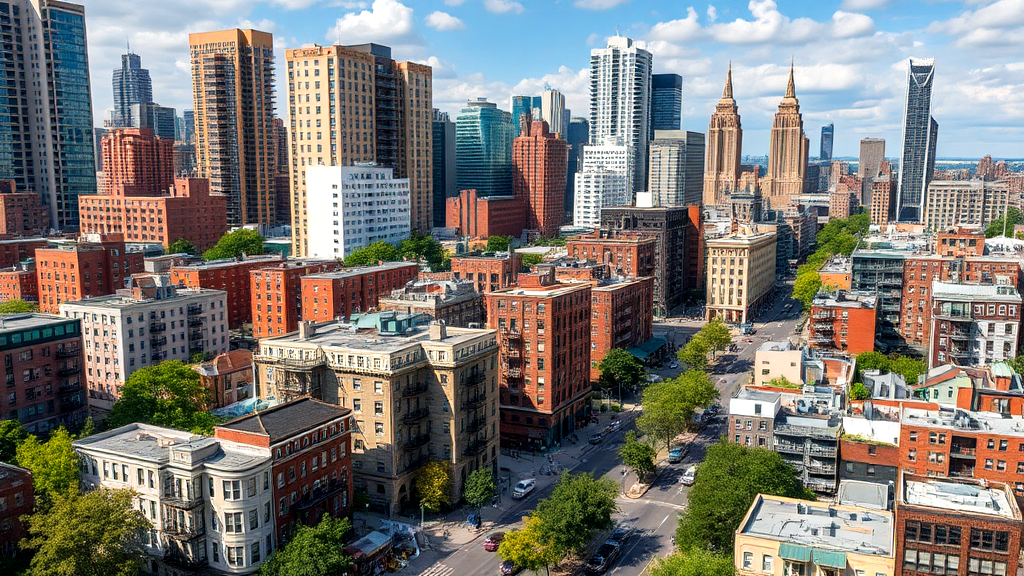
Impact of Interest Rates on Housing Affordability
The way interest rates impact the affordability of housing can make or break dreams for many in the NYC real estate market. When interest rates climb, mortgage payments rise, squeezing budgets even tighter. This is especially true in New York City, where real estate prices are already sky-high. With rising costs, potential buyers, particularly those in lower income brackets, often find themselves priced out. As interest rates fluctuate, so does the affordability of living in this bustling metropolis, particularly when compared to places like Chicago and Los Angeles.
|
City |
Interest Rates Impact |
Affordability |
Emerging Neighborhoods |
|---|---|---|---|
|
NYC |
High |
Low |
Bronx, Queens |
|
Chicago |
Moderate |
Higher |
Hyde Park, Pilsen |
|
Los Angeles |
High |
Moderate |
El Sereno, Highland Park |
|
Houston |
Lower |
Moderate |
Eastwood, Third Ward |
|
Boston |
High |
Low |
Dorchester, Roxbury |
The New York Times provides an interesting perspective on how these factors can influence the overall climate and affordability of neighborhoods.
Emerging Neighborhoods Gaining Popularity Among Homebuyers
Homebuyers are focusing on emerging neighborhoods within NYC’s real estate market. Areas in Queens and the Bronx provide a more budget-friendly alternative with a lot of growth potential. The improved transit links make these neighborhoods attractive to people seeking shorter commutes.
-
Queens’ Astoria: Offers vibrant culture with a lot of dining options.
-
Bronx’s Mott Haven: Known for arts and a rich history.
-
Chicago vs. NYC: Chicago provides cheaper real estate options.
-
Brooklyn’s Bushwick: Draws creative people with its art scene.
-
Public Housing: Affects affordability across NYC.
-
Los Angeles: Offers more space at lower costs.
-
Harlem: Rich in culture, now a popular choice.
In Summary
The NYC property market is like a complex puzzle, each piece influencing the bigger picture. From luxury apartments to affordable housing, every factor plays a role. Rising interest rates and zoning laws add layers of complexity. Yet, there’s hope. New initiatives aim to make housing more accessible.
Emerging neighborhoods offer fresh opportunities. Places like Queens and the Bronx are catching eyes. They promise future growth and better links to the city’s core. These changes might reshape the city’s housing scene.
New York’s real estate market may be daunting, but it’s also full of potential. Understanding its nuances can lead to smart decisions. Whether you’re buying, renting, or investing, knowing the market is key. Stay informed, and you might just find your perfect slice of the Big Apple.
FAQ
-
Why is NYC’s real estate market so expensive?
The market is expensive due to high demand and limited supply. The city issues fewer housing permits compared to other places. This scarcity drives prices up, making it tough for many to afford homes.
-
How does location affect property values in NYC?
Location plays a big role. Properties near amenities, public transport, and jobs cost more. Neighborhoods like Manhattan and parts of Brooklyn are particularly pricey because of high demand.
-
What drives the demand for luxury apartments in NYC?
NYC is a global hub, attracting wealthy buyers. High-paying jobs in finance and tech also boost demand. This keeps luxury apartment prices high.
-
How do zoning laws impact the housing market in NYC?
Zoning laws restrict building heights and densities. This limits new housing developments. The old zoning resolution from 1961 contributes to the low housing stock.
-
What are some emerging neighborhoods in NYC for homebuyers?
Areas in Queens and the Bronx are gaining popularity. They offer more affordable options. Improved connections to commercial areas make them attractive to buyers.
Comments are closed