
Bamboo is stealing the spotlight in modern architecture. Imagine Trong Nghia Architects crafting a breathtaking bamboo dome that turned heads at a lakeside restaurant in Vietnam. This extraordinary structure, built using innovative techniques, showcases the special architecture made of bamboo. Nghia Architects share their passion for merging nature with design, creating sustainable and beautiful spaces. Bamboo’s strength and flexibility make it perfect for such ambitious projects. Whether it’s a bamboo table or a giant dome, bamboo structures are paving the way for eco-friendly building. Explore how the Trong Nghia Group and other pioneers are redefining what it means to build with bamboo. Get ready for a day bamboo build journey into this exciting world!
Unique Features of Bamboo Building
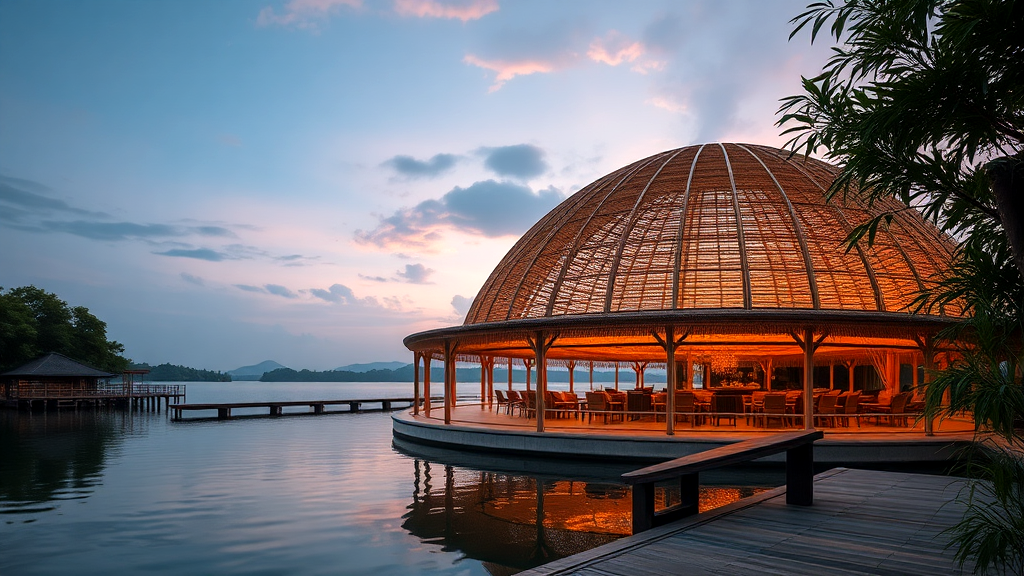
The distinctive characteristics of bamboo buildings lie in their remarkable flexibility and strength. Crafted from bamboo, these structures offer a perfect blend of aesthetics and sustainability. The special architecture made by bamboo, like the bamboo dome built by Trong Nghia Architects, exemplifies how bamboo can transform into both an artistic and functional marvel. This material adapts easily to various designs while maintaining resilience.
The potential of bamboo architecture goes beyond its beauty. It offers eco-friendly solutions by reducing carbon footprints and promoting sustainable living. With designs seamlessly integrating natural elements, bamboo structures meet modern environmental needs with grace.
|
Feature |
Example |
Benefits |
Challenges |
|---|---|---|---|
|
Flexibility |
Day bamboo build |
Earthquake resistant |
Weathering |
|
Aesthetic |
Nghia architects build |
Visual appeal |
Engineering complexity |
|
Sustainability |
Made by bamboo |
Eco-friendly |
Structural stability |
|
Strength |
Bamboo dome |
Durable |
Joinery techniques |
|
Innovation |
Bamboo architecture |
Creative design |
Precise engineering |
For more on bamboo architecture, Dezeen showcases Trong Nghia’s works here.
Trong Nghia Architects’ Bamboo Dome
The innovative bamboo dome crafted by Vo Trong Nghia Architects at Vedana Restaurant is a masterpiece of bamboo architecture. Standing 16 meters tall, this bamboo dome built from 36 modules offers an awe-inspiring sight. It features three concentric thatched rings and an oculus at its peak, which beautifully illuminates the intricate bamboo patterns below. This design is not just visually stunning; it smartly integrates with its lakeside environment, capitalizing on natural cooling.
Here are some noteworthy aspects of this bamboo building:
-
Height and Scale: The dome reaches an impressive 16 meters.
-
Artistic Design: Features three concentric thatched rings.
-
Natural Lighting: An oculus provides a natural light source.
-
Material: Uses 36 bamboo modules.
-
Environmental Harmony: Leverages the lakeside for natural cooling.
-
Sustainable Construction: Highlights bamboo’s eco-friendly potential.
-
Iconic Status: Recognized for its unique architectural appeal.
Dezeen showcases Trong Nghia’s works here.
Five Iconic Bamboo Structures Worldwide
The special architecture made by bamboo shines in five remarkable constructions worldwide. In Bali, the Green School’s Heart of School merges with the jungle using day bamboo builds, offering a lesson in sustainability. Meanwhile, Bali’s Sharma Springs weaves bamboo into a mystical tower, a dream abode above the Ayung River.
In Vietnam, Trong Nghia Architects crafted the Bamboo Wing, a pavilion that floats above water gracefully. China’s Great (Bamboo) Wall House challenges traditional design norms, demonstrating bamboo’s adaptability in modern housing. Over in Uganda, the Bamboo Village serves as a beacon of hope and a model of resilience, providing homes and schools in an eco-friendly community setting.
|
Structure |
Location |
Unique Feature |
Purpose |
|---|---|---|---|
|
Green School |
Bali |
Jungle integration |
Educational |
|
Sharma Springs |
Bali |
Tower design |
Residential |
|
Bamboo Wing |
Vietnam |
Floating pavilion |
Event Venue |
|
Great (Bamboo) Wall House |
China |
Modern housing |
Residential |
|
Bamboo Village |
Uganda |
Eco-friendly community |
Community Development |
Sustainable Qualities of Bamboo Architecture
The environmental benefits of using bamboo in architecture are manifold. It grows rapidly, replenishing itself without replanting, making it an ideal sustainable choice. The special architecture made by bamboo often blends seamlessly with natural surroundings, promoting eco-friendly construction. Bamboo’s natural cooling properties can reduce energy consumption, and its hollow structure allows for inventive irrigation systems using rainwater. These designs not just cut carbon footprints but also enhance the overall functionality. Integrating natural elements into these designs further enhances their eco-friendly credentials.
Innovative solutions in construction, such as laminated bamboo techniques, address challenges like structural stability and weathering. Trong Nghia Architects have shown that bamboo can be a viable option even in complex modern designs. Its utility in disaster-resistant constructions showcases its potential. Embracing bamboo in building practices offers a sustainable path forward while maintaining aesthetic appeal.
Challenges in Bamboo Construction and Design
The special architecture made by bamboo involves tackling persistent hurdles. One key issue is ensuring durability. Bamboo’s natural composition is susceptible to pests and rot. To combat this, treatments and sealants are employed. Structural stability is another concern. Engineers must meticulously design frameworks to withstand the elements. Weathering, particularly from humidity and rain, can quickly degrade bamboo. Thus, innovative solutions like bamboo laminates and precise joinery techniques are essential.
Crafting buildings with bamboo demands a delicate balance between maintaining natural aesthetics and ensuring resilience. The complexity of these challenges highlights the expertise required to create stable and long-lasting designs.
|
Issue |
Solution |
Challenge Level |
Example |
|---|---|---|---|
|
Durability |
Treatments and sealants |
High |
Insect and rot resistance |
|
Structural Stability |
Engineer-designed frameworks |
Medium |
Natural disaster resilience |
|
Weathering |
Laminates and joinery techniques |
High |
Humidity and rain protection |
|
Aesthetic Balance |
Expertise in design |
Medium |
Preserving natural look |
|
Resource Sustainability |
Efficient use of materials |
Medium |
Reduced carbon footprint |
Vo Trong Nghia Architects have illustrated these solutions in their poignant bamboo designs, which can be explored through their works here.
FAQ
-
What makes bamboo a popular choice in architecture?
Bamboo is lightweight yet strong. It offers flexibility and resilience. Its natural beauty and eco-friendliness attract architects. Plus, bamboo grows quickly and reduces carbon footprints.
-
How does the bamboo dome by Vo Trong Nghia Architects stand out?
This dome, at Vedana Restaurant, showcases innovative bamboo use. It features 36 bamboo modules and three concentric thatched rings. An oculus at the top lets natural light shine through. It’s not just a structure; it’s a masterpiece.
-
Which are the iconic bamboo structures around the world?
Structures like the Bamboo Dome in Vietnam and Bamboo Village Uganda are renowned. They blend function and beauty seamlessly. They highlight bamboo’s potential in offering sustainable architectural solutions.
-
What are the sustainable qualities of bamboo in construction?
Bamboo grows rapidly and doesn’t need replanting. It lowers carbon emissions and often integrates natural elements. For example, rainwater irrigation can enhance eco-friendly designs.
-
What challenges does bamboo construction face?
Ensuring stability and addressing weather effects are key challenges. Techniques like laminating and bamboo pins aid in overcoming these. Precise engineering ensures durability against natural disasters.
Comments are closed